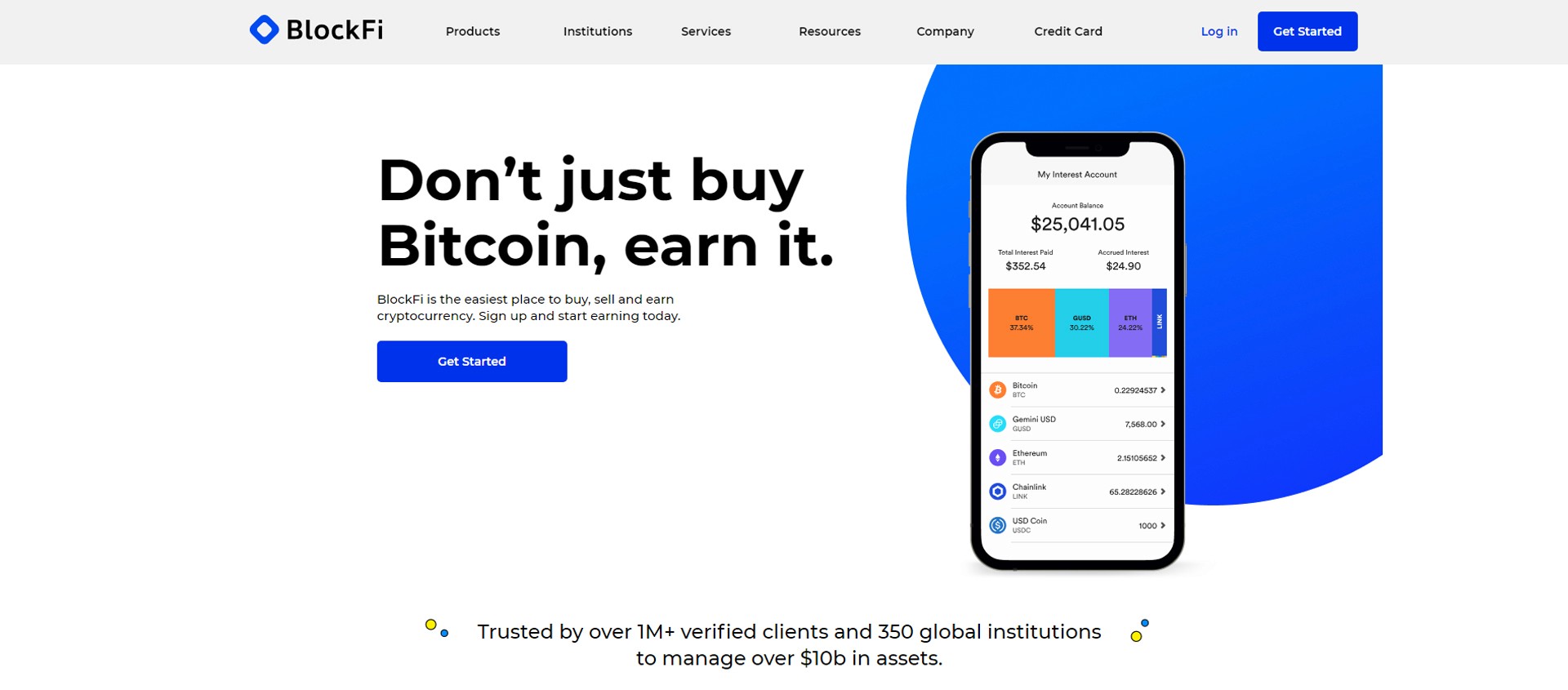
Understanding BlockFi Login: A Secure Entry to Digital Finance
BlockFi provides a digital asset management system that allows users to borrow against cryptocurrency, trade, or earn interest. Access to these financial services begins with a secure sign-in process that verifies identity, protects user data, and prevents unauthorized access. The BlockFi login procedure functions as a digital security gateway, ensuring that only legitimate users interact with their accounts.
Core Elements of the BlockFi Login System
The login process uses layered authentication to establish user identity. Key elements include:
Credential Verification: The system validates email and password combinations against encrypted records.
Two-Factor Authentication (2FA): Users can enable this optional but highly recommended layer that requires entering a unique code generated through an authenticator app or SMS.
Encrypted Communication: All login data transmitted between user devices and BlockFi servers is protected through encrypted channels.
Together, these tools create a secure environment that aligns with financial industry standards.
How Access Is Granted: User Login Flow
Unlike typical websites where basic credentials are enough, BlockFi implements additional checks. The login flow includes:
Entering the registered account email.
Providing the correct password.
Completing a second verification step if 2FA is active.
Verifying identity again if the system detects unusual activity or a new device.
When authentication is successful, users are directed to their dashboard. The dashboard serves as the operational hub for trading, depositing, borrowing, and monitoring crypto balances.
Why Verification Matters on BlockFi
BlockFi handles assets that can be transferred globally and rapidly, and any unauthorized access may result in irreversible financial loss. Because cryptocurrency transactions cannot be reversed, controlling who can sign in becomes critically important. The platform’s login security helps to:
Block unauthorized transactions
Protect identity and personal financial data
Ensure only approved activities are performed
Maintain regulatory compliance for certain services
Effective login protection safeguards not just digital assets, but the user’s financial identity.
Account Setup Before Logging In
Users must complete a one-time registration process before they can authenticate. This includes:
Providing basic identity information
Creating a secure password
Verifying email ownership
Completing regulatory identity checks (KYC)
These steps ensure that BlockFi connects an account to a verified identity before giving access to financial services.
Preventing Login Risks: Best Practices for BlockFi Users
Since login security directly protects digital assets, users must take responsibility for improving their own account safety. Recommended practices include:
Using a strong password that mixes numbers, letters, and symbols
Avoiding the reuse of passwords used on other platforms
Activating two-factor authentication immediately after account creation
Never accessing BlockFi from unknown or unprotected networks
Monitoring account activity for unexpected changes
Keeping device security tools such as antivirus software up to date
These measures strengthen digital defenses against hacking, phishing, and account breaches.
When Login Issues Occur
BlockFi may restrict access if suspicious behavior is detected. Common triggers include:
Multiple incorrect password attempts
Logging in from a new location or device
Failed 2FA code submissions
System flags caused by unusual transaction activity
Most login issues can be solved by resetting authentication credentials, synchronizing phone time settings for 2FA, or verifying identity with additional checks.
Final Perspective
The BlockFi login process serves as a secure digital checkpoint that protects both user accounts and the platform’s compliance integrity. By combining encrypted credentials, multi-factor authentication, and identity validation, BlockFi users gain safe access to a decentralized financial ecosystem. Responsible login habits help maximize protection and enable confident participation in digital asset management.